Showing posts with label compost. Show all posts

Thursday, June 05, 2008

Compost Challenge Results

Compost challenge pie chartIn May I challenged Bean Sprouts readers to take up composting. 195 people voted in the poll and the results were as follows:
  • I've started a compost heap! 28 votes (14%)
  • I already had a compost heap! 142 votes (72%)
  • I don't want a compost heap! 2 votes (1%)
  • I can't have a compost heap! 23 votes (11%)

If you're interested in composting but just can't find a method that's right for you, check out Top Ten Compost Systems. And if you're a nervous newcomer to the world of composting, you might find Compost by Ken Thompson a very reassuring read.

A new challenge for June will be coming soon.

Monday, May 12, 2008

Top Ten Compost Systems

dalek type compost binAs part of our Composting Challenge, Bean Sprouts presents the top ten composting systems.

1. Pile up organic stuff in a heap and wait
PROS: cheap, easy, effective
CONS: takes up space, quite slow

2. Build a compost box, either make your own or buy it like this one from Wiggly Wigglers.
PROS: more aesthetically appealling than a heap
CONS: they can be quite pricey if you buy them, you need a suitable spot in your garden

CompostBox3. Plastic compost bin, aka "dalek". You might be able to get a free or subsidised one from your council, visit the RecycleNow website to find out.
PROS: even tidier than a compost box, quite compact
CONS: you still need a garden or at least a patio

4. Tumbler, such as this one at Just Green.
PROS: supposed to be faster than a dalek, sounds quite good fun
CONS: space again, and are they easy to turn when they're full or do you have to be quite strong?

5. Green Cone
PROS: can compost cooked food, meat or fish, bones, dairy products which other composting systems can't deal with
CONS: They're not cheap, you need a garden with some earth as half of the system is buried underground.

Green Cone6. Leaf mould composting. There's a video about it here
PROS: make something useful out of fallen leaves, very easy
CONS: you need enough leaves to start with, takes a long time

7. Bokashi, an effective microorganism (EM) that speeds up composting incredibly. Here is the system sold by Wiggly Wigglers
PROS: very quick, can compost in a sealed bin indoors
CONS: cost, you have to keep buying the bran impregnated with EMs.

8. Trench composting - basically fill a trench with organic waste, cover it over, and plant on top. There are instructions on how to do this at Instructables
PROS: Cheap, you can combine this with the bokashi method by adding some EM impregnated bran to the trench to speed up composting
CONS: All that digging is hard work, you need a garden you're willing to dig up so maybe not suitable if all you have is lawn and flowerbeds

9. Wormery, such as these from Wormcity
PROS: some systems are suitable for indoor use, good if you don't have large volumes of compostable waste
CONS: if you get it wrong the worms can die, some people are squeamish about worms
Wormery
10. Compost toilet, like these from NatSol
PROS: recycle your own humanure, modern ones look just like normal toilets
CONS: A lot of people might feel this is a step too far, you've got to remove the compost at the end of the process

If you decide to try one of these methods, please vote in the poll in the right hand side bar.

Tuesday, May 06, 2008

Start Composting Challenge

As it's Compost Awareness Week, May's challenge is to start composting. I'll be blogging about composting all through May, so look out for posts about different composting systems, benefits of composting, compost troubleshooting and anything else that occurs to me.

Please vote in the poll in the right-hand sidebar if you're ready to take the challenge.

Sunday, May 04, 2008

Compost Awareness Week

May 4th - 10th is Compost Awareness Week. You can download Enjoy "a newsletter full of hints and tips to keep you composting". You can buy composting accessories. And I love this - you can search for Composting Events in your area.

But the best thing, I think, is the fun Flash game about composting.

Have fun!

Thursday, April 17, 2008

Compost Competition Winner

Ken Thompson's CompostA couple of weeks ago I announced a competition to win a copy of the book Compost by Ken Thompson. Entrants had to identify what was unusual about the following short review of the book:

K. Thompson's book Compost shows you how to turn scraps and plant cuttings into compost. It shows that it's quick and not at all hard to do. It has lots of full colour photos. This book is good for compost virgins and compost-o-phobics.

I didn't count all the entrants but there were quite a few and most of them were wrong, so maybe the puzzle was a bit too hard. Sorry. On the other hand, five people got it right and lots of people seemed to enjoy trying, so maybe it was just hard enough after all.

The answer was that the review was a lipogram, a piece of writing which avoids a certain letter of the alphabet. You didn't have to use the word "lipogram" to be entered into the draw, but you had to spot that the review didn't use the letter E, the most common letter in the English language.

My beautiful 4-year-old goddaughter Rebecca picked the winner out of a (rather small) hat this morning. The winner was Ruth Turner of Edmonton. Congratulations, Ruth. A copy of Compost will be winging its way to you as soon as I can get to the post office.

Monday, April 07, 2008

Compost Competition

Compost by Ken ThompsonIf you would like a chance to win a copy of Compost by Ken Thompson (reviewed here a couple of weeks ago), then here's your chance. All you have to do is identify what is unusual about the following short review of the book:
K. Thompson's book Compost shows you how to turn scraps and plant cuttings into compost. It shows that it's quick and not at all hard to do. It has lots of full colour photos. This book is good for compost virgins and compost-o-phobics.

If you can spot what is unusual about the review, email me with your answer and your postal address. Don't put your answer in the comments. The winner will be pulled from a hat next Monday. The competition is only open to residents of the British Isles because I'm too mean to pay international postage. And anyway, think of the air miles.

Friday, September 28, 2007

Compost Quandrary

I received an email from a flat-dwelling reader with a compost problem:

I had started composting all my fruit and veg scraps but hubby has put a stop to this as I had left the bin a bit too long before taking it to compost on the lottie and I got a few midgey flies round it so now he says it's filthy, unhygenic etc so I can only really take things from time to time (like make a big veg peeling session and then run down the lottie with a bagful). But I would like to continue in this vein - should I change the way I store it? I would empty the bin once or twice a week so really it needs to be airtight. Can you suggest anything??
It's a tough one. Flies in your house are gross I agree, and I sympathise with your husband's reaction. I do have a few suggestions, though.

  1. You could get a wormery. I don't have one myself but lots of people swear by them. Basically the whole composting unit lives in the kitchen, with the worms and everything. Make sure you get a junior or indoor wormery, as the normal ones are for outdoor use and are too big for a typical flat. They're made of opaque plastic so you don't get to see the little wigglers unless you take the lid off and go poking around inside. You put the scraps on top and the wormies turn it into compost. You also get to collect the worm pee which is fabulous plant food. There's no flies, no smell, and no need to trudge down to the allotment. Although if your husband isn't keen on flies he might freak out at the thought of worms in the kitchen. The worms shouldn't escape under normal circumstances, though.
  2. There's a product called a Kitchen Caddy for collecting compostable scraps which has an airtight lid to keep out flies, and a chacoal filter to eliminate smells. Again, I haven't tested it myself but it sounds good, doesn't it? It's available at http://www.greengardener.co.uk/wormeryaccess.htm

  3. You could store your scraps in the freezer instead of in a bin. Then once a week (or whatever) carry the solid lump down to your lottie and chuck it on. It will melt and compost down soon enough, but whilst it's in your home there will be no flies. Just make sure you label the container well, and don't mistake it for frozen dinner leftovers!
I hope one of these solves your problem. Maybe Bean Sprouts readers can think of some other solutions.

Thursday, July 19, 2007

Elephant Escape

I was watching a news story on TV about two elephants who escaped from a Canadian circus. They did no damage apart from leaving some dung on someone's lawn. My 7-year old daughter Eleanor commented "I don't what those people are complaining about. At least they got some great manure".

That's my girl!

Thursday, May 31, 2007

What's Decomposing?

(In homage to http://www.compostbin.blogspot.com/)

We get our hair cut by a friend who comes to our house every few weeks. The kids come into the kitchen one at a time, then when they're shorn they can go back to watching TV or whatever they were doing before. It beats trying to keep them under control at a hairdresser's shop.

We end up with a big pile of hair on the floor, and this is another bonus of having our hair cut at home. The cuttings go on the compost heap where they decompose just like all the other organic material we put there.

Human hair is said to deter pests such as rabbits, moles and deer - shy creatures who avoid the scent of humans. Put handfuls of hair in net bags and tie them to trees and fences around the garden. If you need more hair than you can personally provide, you may be able to scrounge some from your local barber shop. I can't vouch for this tip personally as I don't suffer from mammalian garden pests, and I doubt it works on sassy critters like mice who come right into human houses.

Thursday, May 10, 2007

Bean-Sprouts Featured in The Scotsman

The Scotsman Online, the online version of Scotland's national newspaper, recently featured Bean-Sprouts in an article about Compost Awareness Week. Welcome Scotsman readers!

The article linked to the story I posted back in December about compost, the same one The Times Online picked up on. I don't know why the national press are suddenly so interested in compost, but I'm glad that green issues have become so trendy recently (or in this case should I say "brown issues"?) For one thing, it makes a pleasant change from being derided as "tree-huggers". But more importantly it greatly increases the likelihood that people will take action about the issues we tree-huggers have been howling about for years.

Saturday, March 17, 2007

Bird Feeder

Happy St Patrick's Day! My dad sent me a little badge with a living piece of shamrock which I'll be wearing all day. Afterwards I'll pot it up and encourage it to grow in a pot on my kitchen windowsill. It'll make me think of my dad in Co. Limerick whenever I look at it.

My sister, Steph, showed me how to make these bird feeders. You make holes in monkey nuts then thread string through. The blue tits in particular like to hang on them and peck holes in the shells to extract the nuts. I thought the grey squirrels would probably just steal the whole thing and run off with it, but oddly I haven't seen them bother with it at all. If you use natural string (rather than nylon or something) then when it is empty you can just fling the whole thing on the compost heap.

Feeding birds encourages biodiversity in the garden. If you tempt them in for a lunch of peanuts, they might decide to finish off with a dessert of caterpillars and slugs. Site your birdfeeder carefully because bird droppings will accumulate underneath it. These add fertility over time but may be too strong for some plants (and are unwelcome on e.g. lettuce). It occurs to me that if you had a layer of some sort of mulch under the birdfeeder you could change it once in a while and put the mulch plus droppings on your compost heap. Or you could fix the feeder directly above the heap and collect the frtility directly. But to tell the truth I don't feed the birds because it's good permaculture practice. I just feed the birds because I love watching them.

Monday, March 05, 2007

The Law of Return

There's an important principle of organic gardening called the law of return. The idea is that you shouldn't take anything away from the land without putting something of equal value back. It sounds suspiciously like airy-fairy nonsense but it is actually quite sensible. If you keep growing crops on a patch of land and then taking them away, to sell them for example, eventually the land will become depleted of certain nutrients and will produce smaller and smaller harvests and ultimately be unable to grow that crop (or perhaps any other) at all.

So-called "conventional" growing (in reality the system is less than 100 years old) solves this problem by adding fertilisers - doses of single nutrients such as phosphorous or nitrogen. This is rather like taking vitamin pills. You might see an improvement in the patient's condition but it's no substitute for having a healthy varied diet in the first place.

With organic gardening you avoid the problem of depletion by the "law of return". So you compost the parts of garden plants you don't need, and the weeds. And the things you take away, the fruit and vegetables, are replaced by compost brought in from elsewhere, or well-rotted manure, or something else of equal value. If you can manage a closed system in which nothing leaves the site (which in practice means composting human and animal dung and burying animal carcasses on site etc.) then that is the ideal situation.

Ed and I have been digging up couch grass roots from the allotment for, oh, feels like forever but in fact it's a few weeks. All the couch grass roots are now piled up on top of a sheet of horticultural plastic, with more plastic wrapped around it and over the top. It will take take at least a year, perhaps more, before they all rot down but when they do they will turn into beautiful compost, full of nutrients which we will return to the soil. The alternative was to take them to the landfill site, and lose all those nutrients forever.

When you see the huge pile of roots, already starting to try to sprout up again for another year, you can really see the sense in the law of return. You can see the roots in the right of the picture, the heap is about 4 feet high. They are full of nutrients for the soil, trace minerals as well as carbon, nitrogen and all that good stuff. It would be a serious loss to dump them all off-site, but this way even weeds can be put to good use.

Sunday, March 04, 2007

Review: How To Grow More Vegetables

I bought John Jeavons' How to Grow More Vegetables recently, hoping it would live up to its promise of showing me:
"How to grow more vegetables (and fruits, nuts, berries, grains, and other crops) than you ever thought possible on less land than you can imagine"

I got pretty irritated wading through several chapters of irrelevant waffle that kept promising this amazing new technique would allow me to grow between twice as much and thirty-one times as much per unit area as "conventional" methods (which I assumed meant whatever method I am using now), but which never spelled out what this method was. When I finished chewing my way through the book I was disappointed. All this "new method" is, is just:

  • Grow organically
  • Use raised beds, not rows
  • Use loads of compost
  • Use intensive plant spacings
  • Companion planting

Just about every gardening book I've got advises those exact same things.

It also contains some advice I consider dubious:

  • Planting by phases of the moon
  • Planting shedloads of stuff (60% of your available area) purely so you can turn it into compost
  • The author isn't keen on animal manure or green manure

In retrospect I'm glad I read it, but I wish I'd got it out of the library instead of spending money on it. For one thing, it does contain some helpful information, but buried under a lot of crud. For example, information about the depth of the root systems of various crops.

It also makes very clear what a "raised bed" is. For a long time I thought it meant building retaining walls full of earth and planting stuff 2' in the air surrounded by brick walls. It doesn't mean that at all - it means having areas where you plant, with paths in between. You don't walk on your beds (you have to make them about 5' wide or less, so you can reach the middle for weeding and harvesting) so they don't get compacted and don't need digging every year. Within those beds you plant intensively, so leaf growth covers all the soil, stopping weeds growing and water evaporating. The book makes that much clearer and if I had read it sooner I could have saved a lot of confusion about raised beds.

I also like its emphasis on the soil. It talks a lot more about soil than plants. For example the fact we are destroying soil far faster than soil is being replaced. This is going to be a very hot topic in the near future, although the public have heard very little about it so far. I'll write more in a future post but remember you heard it here first. The book describes all the different components of soil - organic and inorganic, living and dead. It talks about the ideal structure of soil as a "living sponge cake". In the section about watering it emphasises that you are watering the soil, not the plants because plants don't take in water through their leaves, only their roots. All these are things I have felt for a long time and it is nice to see them expressed so clearly.

The thick cheap paper and goofy line drawings may put some people off but I love that sort of thing. My favourite illustration from the book is of a bearded hippy sitting cross-legged on the ground sowing seeds in a bed. I find that sort of thing charming, and it captures my imagination much better than the modern style of glossy photographs which manage to look less "real" than drawings do. In fact, I wish I had the 6th edition instead of the 7th, because it had a picture of a quilt on the front with appliqued fruits and vegetables.

But it's not going to help me grow loads more crops than I have in the past with some radical new approach, because I was doing all those things anyway.

If you want my advice, buy this book if you see it cheap in a charity shop, or ask your library to order it for you. It is interesting, and a useful part of building up your understanding of vegetable growing. But don't believe the hype - you're probably already using most of the methods it advocates so it won't tell you how to have vastly bigger yields.

Saturday, January 06, 2007

Uses For Compost

I've been taking a couple of trugs of compost down to the allotment every day from the garden compost heap. That's because the garden heaps are full whereas the allotment ones are almost empty. But it's the allotment that needs the nutrients right now.

For example, I've put a generous mulch of compost over two of my rhubarb crowns, and I've put a bucket over another, covered with compost, to "force" the rhubarb (i.e. encourage it to grow early, long, tender shoots which I'm really looking forward to eating as soon as possible). That one will need a bit more compost tomorrow, because the point is to exclude light, something almost none of the gardening books tell you. Upending a cheap orange bucket from B&Q over your rhubarb crowns will do no good whatever, as glowy orange light will filter through quite strongly.

Compost is absolutely magic. It's something non-gardeners (or at least non-composters) just can't understand, why people get so excited about compost. You throw smelly rubbish like tea bags and banana peels in a big pile, with some grass clippings, shredded paper, and even stinky chicken poo. And a few months later you have beautiful brown crumbly compost that you can quite happily rub your fingers through without feeling that you are touching anything foul. And its transformative effect on your soil and garden produce is just as magical. It's the nearest we can get to alchemy - turning dross into gold.

Thursday, January 04, 2007

A Great Day

Yesterday was a great day. Lots of little but nice things happened. I found a stash of about 50 packets of seeds I had forgotten about, so that was exciting. Then a neighbour came round to ask for a favour, and she gave me some home-made cookies as a "thank you". I also spent over an hour at the allotment for the first time in months. I moved the compost heaps, which was a bigger job than it sounds. Whilst I was doing it I found one of my favourite gardening gloves which I lost back in May or something. It needs a good wash but then it will be as good as new.

Today's picture is of the sock monkeys my sister, Steph, made for the kids for Christmas.

Sunday, December 10, 2006

Compost Crazy

A lot of people are scared of composting. They think it's complicated, hard and smelly. In fact it's none of those things. At its simplest, you just pile up organic matter somewhere and leave it alone. That works. I swear. That's all you have to do to get compost. Of course you can make it more complicated than that if you want to. You can get very scientific about the proportions of "brown" and "green" materials, about the difference between "hot" and "cold" composting, "aerobic" and "anaerobic decomposition". You can buy a compost bin or a tumbler or a wormery if you want. Or you can forget all that stuff for now and keep it simple.

But whatever you do, I promise you will find it satisfying. It's a magical process whereby a heap of grass clippings, raked leaves, vegetable peelings and teabags turns into that stuff you pay £5 a bag for at the garden centre. In fact, the stuff at the garden centre is quite likely to contain peat, a precious and non-renewable resource. Even if not, it will have been driven around the country on a petrol-guzzling lorry. You've heard of food miles. Consider your compost miles as well. Home produced compost is splendid stuff for all these reasons.

But why would you want to? What are you going to use your compost for when you've made it? Well you can dig it into your garden soil to improve its quality. If your soil is either clayey or sandy compost will improve its texture making the clay soil less heavy and the sandy soil less light. Compost also adds precious nutrients to your soil which will make make your plants healthier without needing artificial fertiliser.

Compost also makes a good mulch. Just spread it about on top of the soil and it will prevent water from evaporating too quickly and it is said deter some pests, although that doesn't tally with my experience. In time the worms will take the compost down into the soil so you get the same benefits as digging it in without the hard work.

You can also use it to make your own potting compost, by mixing equal parts of sharp sand, garden soil and compost.

Thursday, November 30, 2006

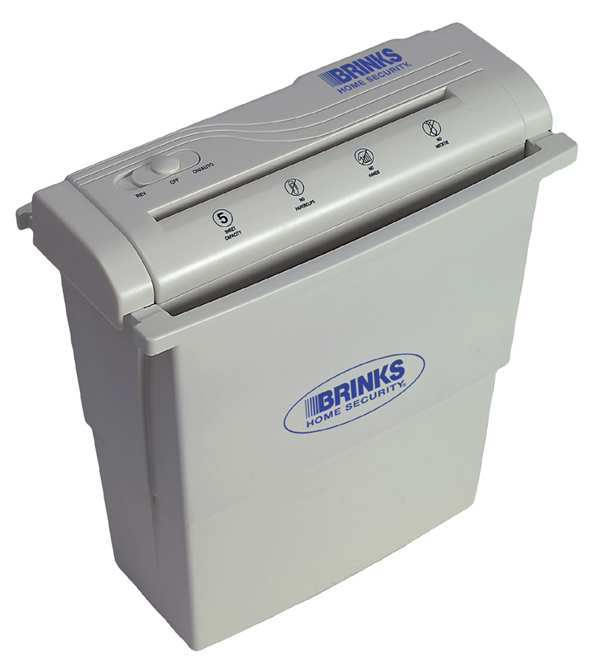
Uses for Shredded Paper

My dad gave us an automatic paper shredder, so now we can be self-sufficient in chicken bedding. When I told my friends, one said:
Aaaarrrgh! Why didn't I thinkof that? We shred stuff regularly, but I've always just thrown the resulting shreds away. and then paid for hay for the chickens bedding. Thank you.
We've used quite a bit of shredded paper as packing material for dad's belongings. You can also add shredded paper to the compost heap, or make it into briquettes for burning. Any other uses for shredded paper?

Wednesday, July 26, 2006

Compost heaps

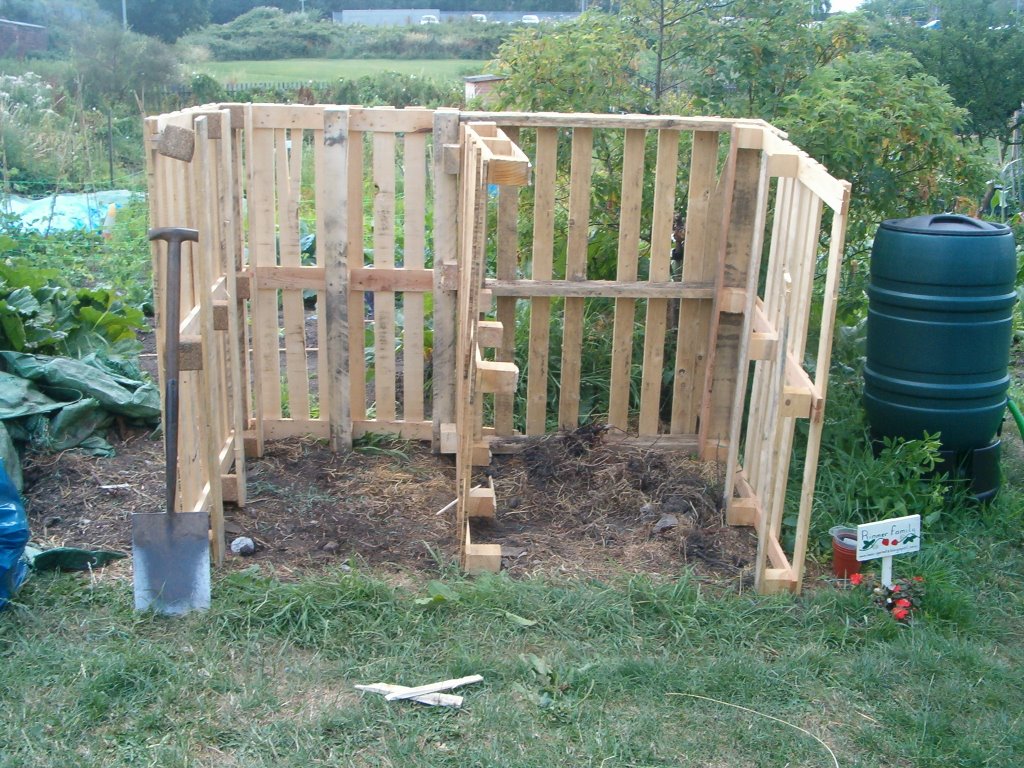
The kids helped me make two compost bins out of the pallets we picked up yesterday. I've already cut down a bunch of comfrey to put in the first one, and trained the boys to pee on the heap. Eleanor will have to pee in the toilet shed, but perhaps I can give her a bucket and she can carry it back to our plot and pour it on the heap. I've also emphasised to the boys the "pee only" rule. No other toilet products are allowed on the heap. Not human products anyway. The chicken manure will certainly go on the heap.

We made a small bonfire out of the scraps of leftover wood, which kept the kids fascinated for a couple of hours. Next time I'll bring some spuds or sweetcorn or marshmallows. The kids ended up roaming around the plot looking for stuff to burn, and I had to chase around after them asking people "Did you give that to them or have they just pinched it?".

Peas and beans are starting to grow - too small to pick just yet, but it's a matter of days.

Runner beans, Unicorns and pallets

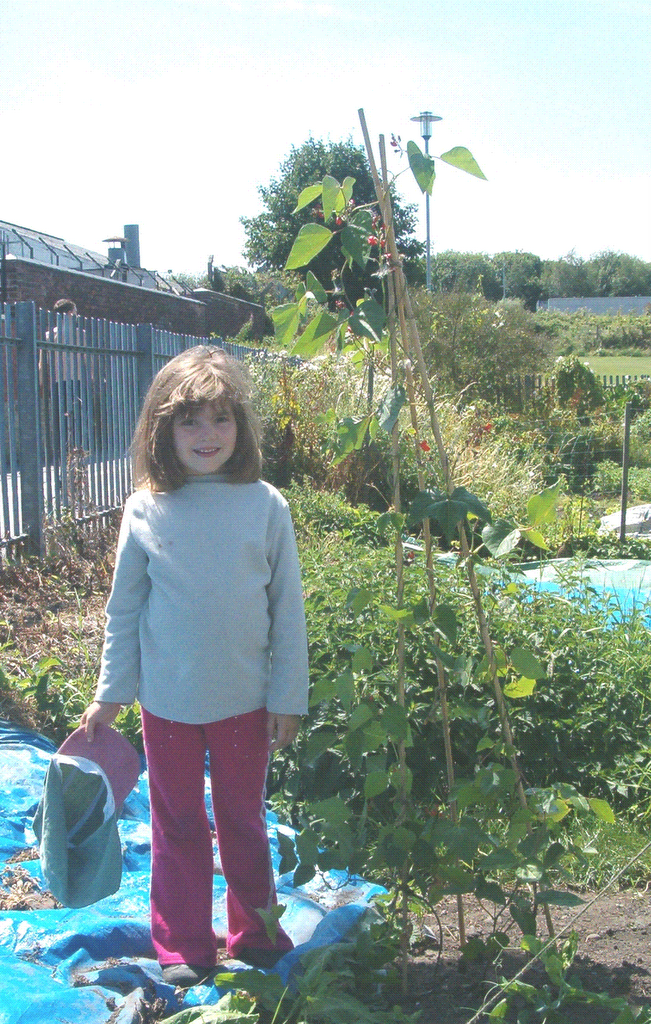
Ellie's runner beans are the tallest things on the plot - even taller than Ellie.

We went to The Unicorn yesterday and stocked up on dried peas and beans, wholewheat pasta and organic baked beans and other yummy things. Whilst I was there I noticed some broken pallets in the delivery bay so I asked what they did with them. Now I have a stack of about 6 or 7 complete (slightly broken) pallets and a bunch of bits sitting on the allotment waiting to be turned into a compost heap.

Thursday, June 29, 2006

Dug!

Finished off the final bed today and put in some carrots, beetroot, turnips and kohlrabi. I also sowed a little more of the quick salad crops lettuce, radishes, spring onions and so on. So no more digging this year. From now on my main tasks will be watering, weeding and hopefully harvesting. At least, after I have constructed two compost bins, and got rid of all the rubble I removed whilst digging. But then I shall be able to sit back and enjoy the fruits of my labours.